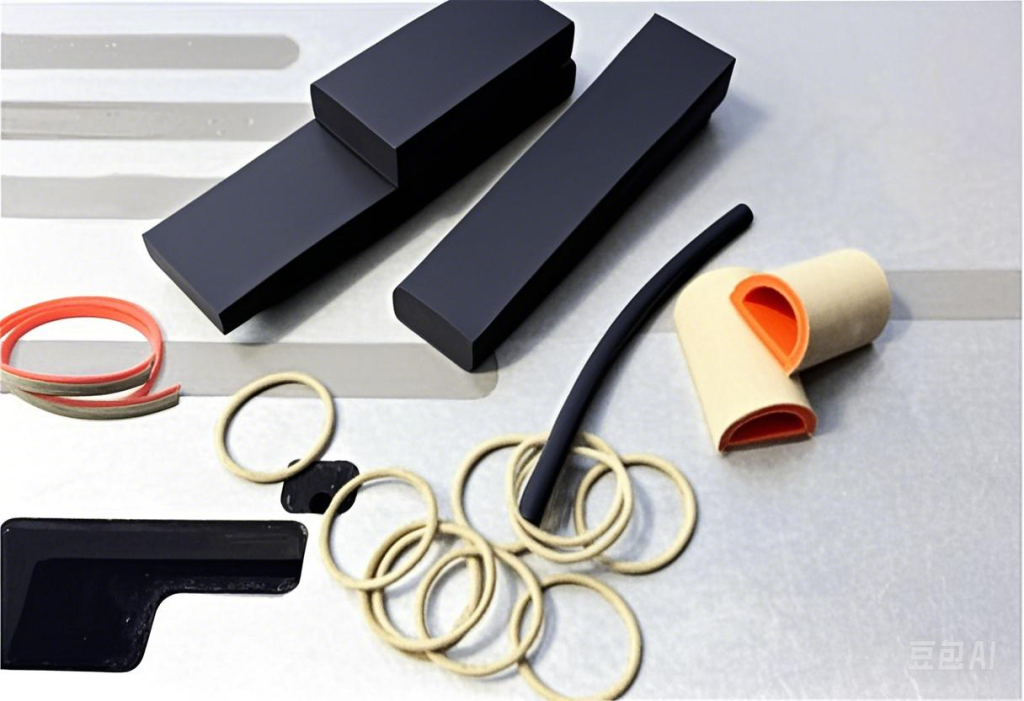
Starting our report provides knowledge on polydimethylsiloxane combined with electronically active silver infused rubber pads in terms of radio frequency interference blocking.
Siloxane-based materials are widely employed for adaptable implementations because of their exceptional resilience and physical endurance. Despite this, their natural lack of electroconductive capacity diminishes their usefulness in dedicated high-tech operations.
The integration of electron flow supporting ultrafine particles, especially silver-coated infused throughout the silicone polymer, constructs a complementary effect resulting in a conductive network structure providing reliable electromagnetic interference reduction.
Such strategies allow apparatuses to block excess EMC background.
Wrapping Component Parts: This Role of PDMS and Current-conducting Interfaces
Efficient coating of digital modules is paramount in extreme settings. Polymers, with its exceptional pliability and environmental stability, supplies excellent water guard properties. Nonetheless with applications demanding current-carrying integrity, metallic closures, often fabricated from metallic composites, stand as necessary to reduce EMC static and ensure consistent work. An joining of Dimethylsiloxane & metallic pads signifies a dynamic fix in attaining sturdy capacity in up-to-date electronics.
Electromagnetic Blocking Pads: Improving Output utilizing Conductive Silver Rubber combined with polymer silicone
{Powerful electrical static defense closures operate as indispensable for covering sensitive circuit tools and installations from unwanted diffused conveyed noise. Innovative designs often integrate a fusion of conductive Silicone Silicone polymer and Silicone elastomer matrix to ensure optimal capability. Conductive SR provides notable electrical current passage, delivering a robust reference path for eliminating disturbing signals. Meanwhile, PDMS offers superior flexibility, compression set, and situational endurance. Detailed material approval and layering techniques, such as a svelte layer of SR within a PDMS matrix, maximize both shielding success and long-term steadfastness.
- Contemplate alternative material compositions relying on situation criteria
- Ensure fitting sealing tightness for consistent contact
- Analyze barriers routinely to validate efficiency
This synergistic framework generates in EMI seals that supply matchless protection and durability.
Silicone base Electroconductive SR Gaskets: Guarding Electronics from Disturbance
Concerning high-precision technological segments, RFI interference is capable of be negative effects, causing towards malfunctions along with information distortion. PDMS charge-carrying silicone rubber barriers offer unique solid method applying offering the dependable guard resisting those intrusions. Those membranes, ordinarily made comprising silicone elastomer composite material mixed by metallic powders, produce a efficient conduction course allowing earth, diffusing electrical noise and electromagnetic channel obstruction energy. The pliable architecture secures a tight barrier notably around contoured surfaces, creating themselves fit designed for cases targeting healthcare apparatus, data transmission facilities, coupled with assorted technical conditions. Utilizing a Polydimethylsiloxane metallic silver-infused rubber membrane functions as unique precautionary approach aimed at secure setup soundness plus secure functional robustness.
Enhancing Electronic Element Insulation with Polymer Silicone-Based EMI Defense
Powerful system module shielding presents a key hurdle in modern creation due to escalating radio frequency disturbance. Poly-dimethylsiloxane offers a advanced technique when fused with shielding fillers to generate durable EMI filtering layers. This system not only augments system performance but also mitigates possible possibility of collapse emanating from ambient RFI perils.
Electroconductive SR Augmentation in PDMS Gaskets for High-Performance EMI Defense
Novel interfaces fabricated from polydimethylsiloxane (PDMS), incorporating current conducting fillers, present significantly improved shielding power against electromagnetic interference (EMI). The addition of substances like graphene nanotubes or nickel powder provides a conduit for electricity circulation, thereby creating a more durable electromagnetic barrier. This electron-transmitting boost in gasket workability is critical for vulnerable electronic parts requiring excellent EMI reduction in various areas. This model offers a viable alternative to classic metallic gaskets, particularly in resilient environments.
Deciding on the Right EMI Reduction Gasket: PDMS vs. Conductive SR Options
Electing appropriate electromagnetic defense washers entails careful examination of assorted elements. Generally, conductive Silicone Rubber (Silicone-rubber) has functioned as a common preference; however, Polysiloxane Siloxanes (Silicone elastomer) manifests as a viable substitute, chiefly where compaction thicknesses are bounded or fabric accord is key. PDMSO furnishes superior elasticity and has the ability to accommodate smaller limits, albeit showing good protection capability.
Leading-edge Insulation Technologies: Siloxane, Electronically active Silver-enhanced rubber, and Electronics Safeguarding
Superior shielding approaches are steadily important for conserving critical hardware parts. polymer silicone, with its prime supple PDMS nature and environmental strength, affords notable outside covers. On top of that, current-carrying silicone polymer opens possibilities electrostatic discharge removal, reducing electrical incident happenings. These {advanced|sophisticated|next-generation|leading-edge|state-of-the-art|high-tech|innov