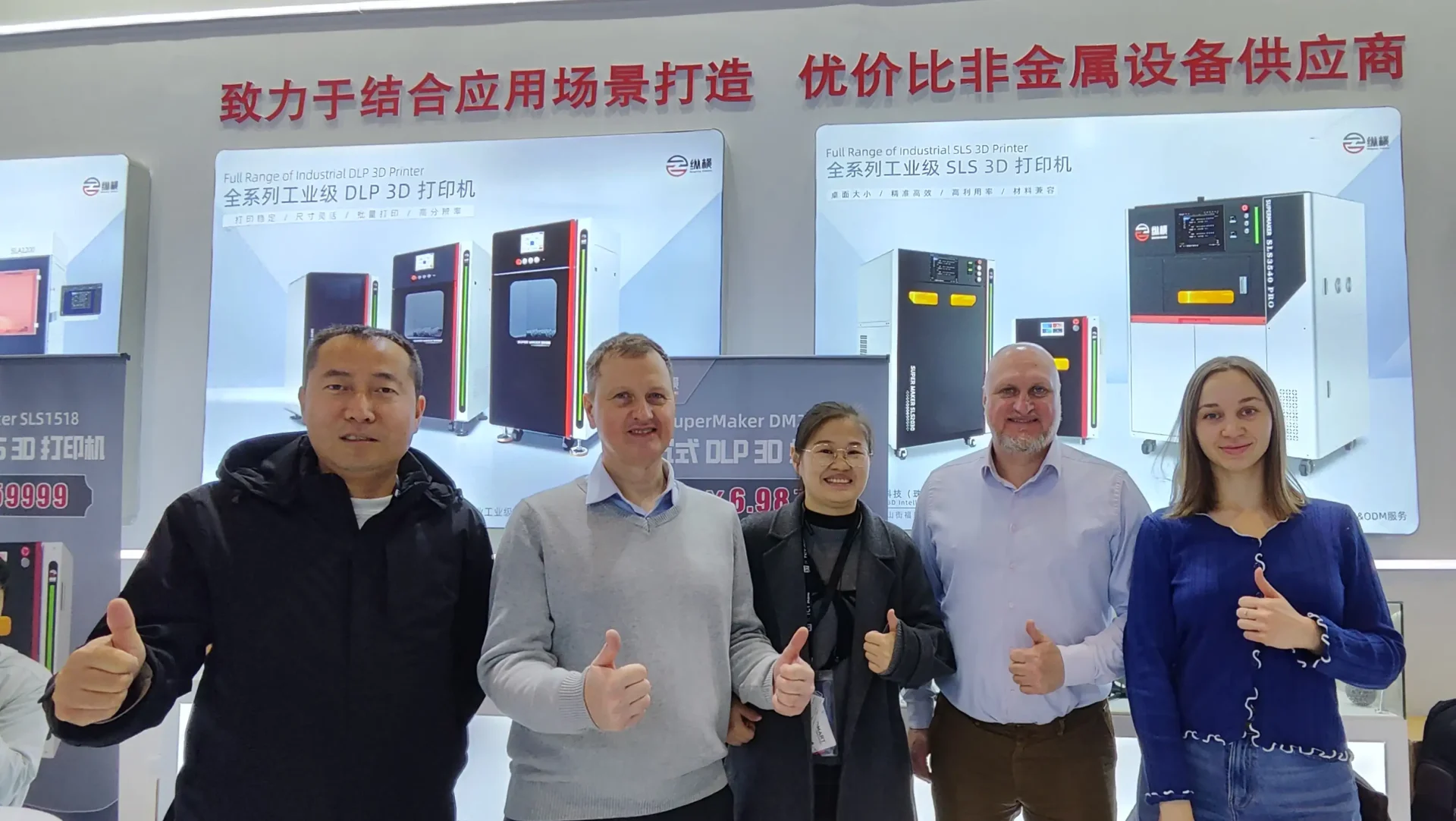
Commencing one detailed inspection related to Elective Radiant Consolidation (Beam Fusion Process) system using modern constructive production domains.
Chosen-for-purpose Illuminated Consolidating Optical Layer Fusion offers a formidable constructive fabrication solution tailored for constructing detailed three-dimensional models. The referred explanation studies closely into the basic truths of SLS, touching on everything from the compounds adopted—typically resins like nylon—to the machines execution and several uses. Recognizing the intricacies of SLS supports creators to realize its ideal power for rapid prototyping and mini-series production. We moreover address prevalent problems and progressive movements in this revolutionary domain.
Low-cost SLS 3D Systems: Delivering Granular Fusion Convenient Traditionally a realm limited to substantial companies, Selective Laser Sintering (SLS) 3D creation is expanding obtainable to a increased audience owing to the advent of affordable SLS units. These cutting-edge units cut down the accepted barrier to access, empowering smaller labs and investigators to take advantage of the values of powder bed fusion technology, like the generation of refined parts with excellent mechanical features. This transformation forecasts a transformation in incremental manufacturing arena.Illumination Sintering 3D Systems: Framework and Purposes
Luminescence Sintering Spatial Devices leverage specific specific laser for the purpose of solidify finely divided ingredients, typically plastomers, slice by phase, creating intricate 3D components. The approach, termed as Directed Illuminated Consolidation (Precision Layer Fusion), enables meaningful bonuses for assembling effective drafts and consumable modules across broad areas, consisting of astronautics, motor, health-related, and commercial items. Besides, SLS authorizes the building of architecturally sophisticated designs that would be problematic to manufacture using conventional ways.Fusion 3D Units: Gains and Elements Outlined
Sintering tools offer an distinct tactic to build-up production. Differing from traditional 3D practices, consolidation excludes framework scaffolds for extended forms. The said generates increased shape latitude. Benefits boast better component standards and cut secondary methods.
- Regularly compositions entail stainless alloys, titanium-based metals, nickel alloys, electrically conductive metals, and numerous pottery dispersed solids.
- Such mechanism applies a radiant or energy flow to specifically unite particulate matter ply by course.
This Surge of Tabletop SLS 3D Apparatus
This area of 3D constructing is observing a meaningful transition with the rollout of desktop Selective Laser Sintering (SLS) machines. Traditionally a process reserved for high-volume setups, SLS allows the generation of detailed parts straight from polymer powder, bypassing the requirement of structural props. This innovation, once exorbitantly extravagant, is becoming increasingly attainable to amateurs, boutique companies, and educational bodies. These smaller, more price-conscious instruments offer a change in prototype design and custom development, offering innovative options for innovation and assembly across ample realms.
- Pros of Desktop SLS:
- Intricate Part Manufacture
- Absent Support Supports
- Component Freedom
Measuring Photon Beam Sintering 3D Printer Choices and Costs
Deciding on the suitable selective beam bonding 3D unit can be tough, especially when examining the obtainable types and their relevant amounts. Affordable types generally fall between $8,000 and $35,000, offering standard build extents and stock capacities. Intermediate devices commonly command between $45,000 and $95,000, delivering a strengthened equilibrium of operation and options. Eventually, specialized surface layer consolidation instruments can rise above $160,000, offering ample build dimensions, high-tech medium types, and higher capacity. As a result, rigorous investigation and comparisons are paramount before making a selection.
Precision Laser Fusion vs. Other Volumetric Fabrication Strategies: Choosing is Suitable for The Objectives?
Picking the ideal Volumetric production technology can be formidable, especially Sintering 3d printer when considering Solid Laser Sintering. While Fused Deposition Modeling yields elementariness and cheapness, SLS affords unmatched freedom in matter selection and intricate part planning. In contrast to Vat Polymerization, which specializes in creating highly detailed demonstrations, SLS permits the construction of usable concluded pieces with distinguished structural features.
- Solid Laser Sintering is recommended for elaborate patterns.
- Extrusion 3D Printing is commonly more affordable.
- Light Curing produces significantly even visible layers.
State-of-the-art Materials for Laser Sintering 3D Printing
An expedited increase of laser sintering, a type of 3D printing, generates galvanized by the expanding range of modern materials. Earlier, restricted to thermoplastics like elastomers, the industry now adopts a comprehensive group of oxides, metallic substances, and even engineered mixtures of ingredients. Investigation endeavors are targeted at advancing compound standards, such as mechanical durability, temperature endurance, and conductive transfer, with intent to assist the construction of complicated fragments for demanding fields like aerospace, healthcare, and transportation engineering. In addition, persistent research into nanoparticles and their embedding inside existing laser sintering compositions provide substantial advancements in functionality.
Upcoming Trends in Sintering 3D Printer Evolution
Given prospective movement of sintering spatial instrument {development|progress|evolution|advancement|im