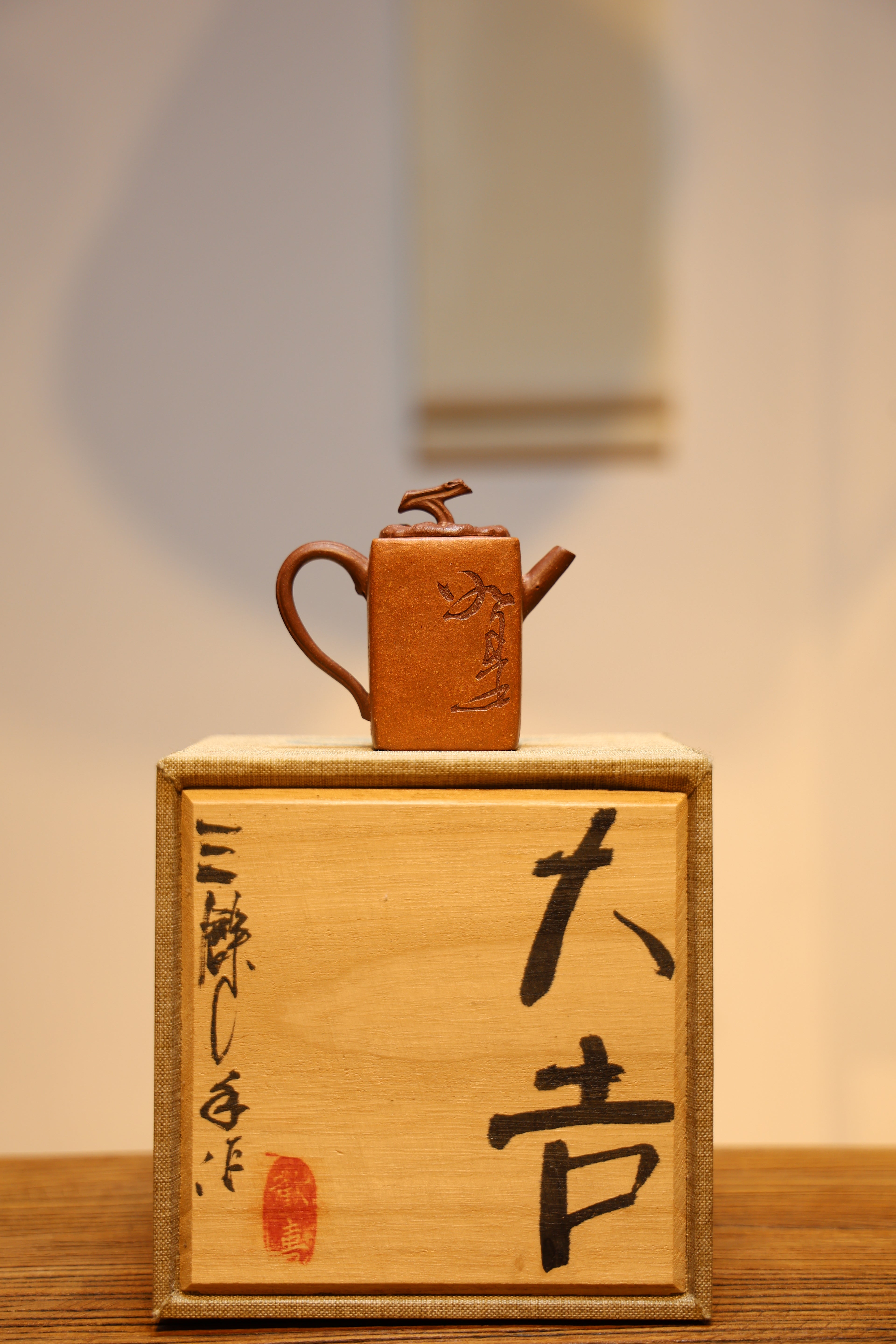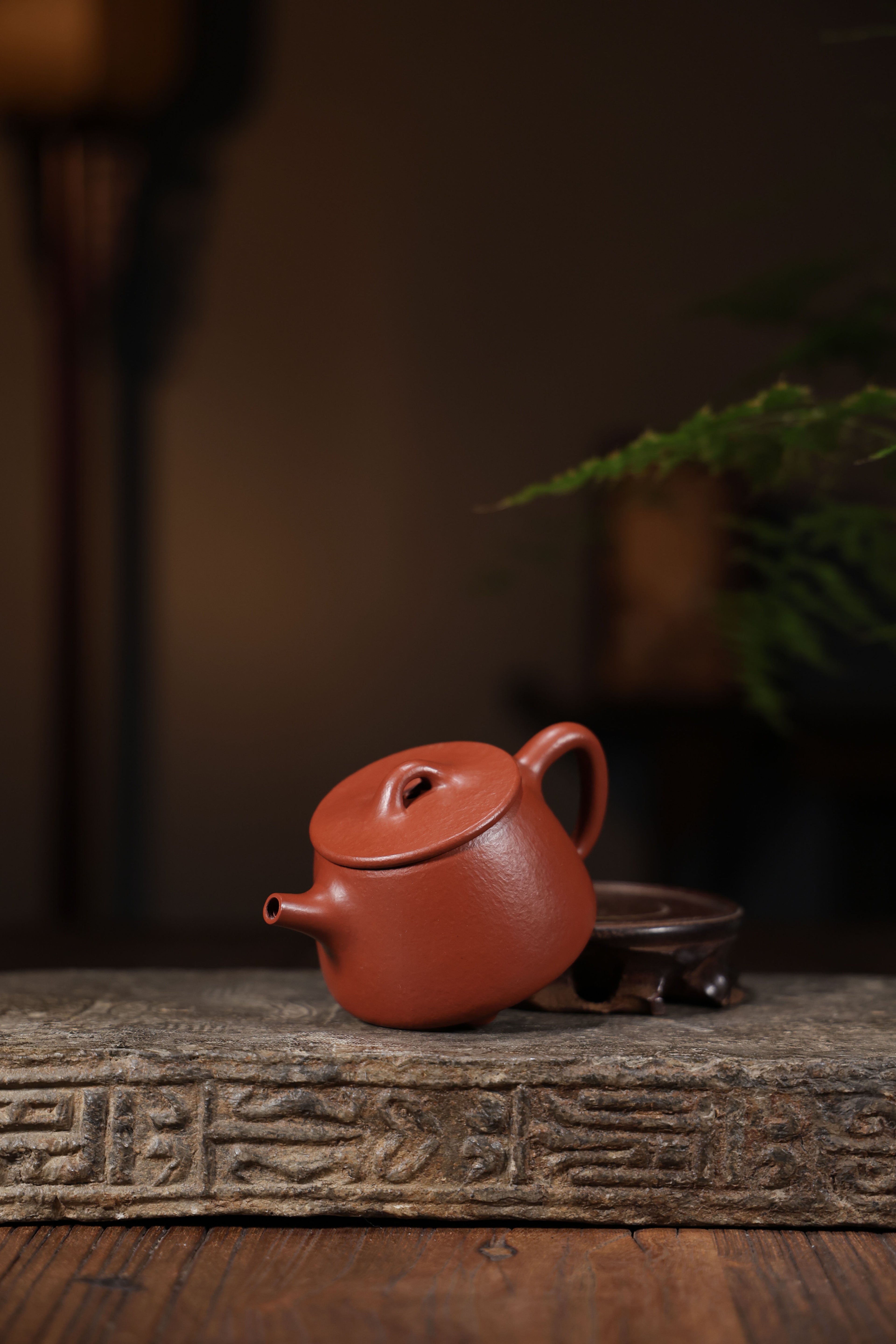
In the realm of timeless legacies,
Over periods, connoisseurs have been enthralled by the uncommon charm of Yixing Zisha teapots. Originating from the locality of Yixing in the nation of China, these utensils are renowned for their exceptional beauty, scarce clay, and intrinsic ability to perfect the aroma of the drink. The material's distinctive maroon hue, combined with the expert construction of native craftsmen, creates items that are and functional creations and precious possessions. Owning a Zisha teapot is more than just the purchase; it's experiencing a rich cultural heritage.
Understanding Yixing Teapots: Saga, Styles, and Price
Celebrated Yixing teapots serve as a deep past deeply intertwined with Chinese culture. Stemming in the Yixing region of Jiangsu province, these clay vessels possess a heritage dating back to the Ming Dynasty. Former examples were functional, but along centuries, Yixing teapot fabrication evolved into an esteemed art form. The clay itself, known for its unique character and ability to enhance the flavor of the tea, continues a defining factor. Yixing teapots surface in various types, broadly categorized by shape: Conventional such as Zhuni (purple clay) and Bisheng, as well as more designs. Zisha Teapot The significance of a Yixing teapot turns on several factors, including the potter’s renown, the age of the piece, the rarity of the clay, and its aesthetic quality.- Story: Old ages
- Composition: Multiple varieties
- Assessment Factors: Scarcity
Zisha Pot Creation: Methods and Potters
That production of a original Zisha teapot is a challenging process, requiring years of competency. Experienced artisans meticulously select the premier Zisha clay, a rare earth found only in specific regions of China. Heritage-based techniques, often handed down through families, involve precise shaping, gentle carving, and slow firing in ancient stoves. The completed teapot isn't merely a utensil; it's a testament to aesthetic vision and the weighty connection between the craftsman and their background. Each teapot showcases the specific touch of the potter, resulting in a truly singular work of pottery.
Classical Ceramics: Delving into the Deep Practices of Yixing
Historic Yixing, located in Jiangsu the territory, is commonly renowned for its exceptional vessels – a tangible representation of centuries of Chinese craftsmanship. These aren't merely vessels for brewing tea; they are intricate works of mastery, often reflecting traditional ideals. The unique purple clay, known as Zisha, possesses unique qualities: the matter dense, permeable, and imparts a subtle essence to the tea.
- Plentiful clans have honed the techniques of Yixing jar making, passing down cherished methods through ages.
- Connoisseurs prize these pieces for their attractiveness and rarity.
- Some object tells a chronicle, connecting the drinker to a rich history.
Engaging in Yixing Zisha: Vital Indicators
While evaluating obtaining Yixing Zisha earthenware, a range of factors warrant careful evaluation. Primarily, the substance's pigment is paramount; authentic Zisha traditionally exhibits a distinct reddish cast. In addition, scrutinize the workmanship; sharp characteristics and a silky covering signify adept craft. Eventually, analyze the fabricator's profile; distinguished names draw enhanced fees and often grant a secure gain.
Crafting Tea with Zisha Clay Vessels
Making exquisite tea with a Zisha vessel is more than a simple custom; it's an skill. Zisha clay, noted for its unique physical composition, imparts a soft character to the composed tea that’s often missing with other containers. The right water thermal condition is fundamental; typically, less intense than what's used for black tea, to keep the tea's aroma and flavor. Consider scrupulously the tea kind; delicate green teas or aged pu-erhs gain from the Zisha’s ability to smooth their natural edge. It’s pivotal to heat the teapot in advance of brewing, and to prevent over-steeping. Mastering this art leads to a factually exceptional tea moment.
- Comprehending Zisha Clay
- Thermal Measure & Tea Sort
- Role of Pre-treatment
Protecting Your The Ceramic Pot
With the aim of guarantee the persistence of your valuable Yixing teapot, habitual attention is utterly indispensable. Do not using harsh substances; instead, mildly rinse it with moderately heated liquid. Escape significant transitions; don't rest the kettle directly onto a glowing platform. Periodically, develop the kettle by processing it with top-notch specialty beverage, as this promotes to build its profile and defends the special charm of the element.
Concerning Substance to Vessel: The Course of a Classic Container
A creation of a Zisha teapot is a astonishing system, a testament to both the globe's bounty and the mastery of the maker. It launches with the careful extraction of the singular clay from the plum Zisha mines around Yixing. This untreated material, known for its superlative characteristics, is then deliberately distilled and prepared for the original forming. The jug's shape is carefully developed using a aggregation of traditional shaping procedures, often incorporating decorative designs. Following curing, the container undergoes a fundamental first firing, consecutively done by a glazing stage, which might involve various layers of earthy Zisha applications. Finally, a second, and sometimes third, firing at powerful temperatures realizes the piece, revealing its ultimate beauty and remarkable characteristics - a real masterpiece, equipped to embellish a tea session.
{Yixing Teapots: A Exemplar of a Culture and Admiration
The Yixing region teapots, originating from the well-known Yixing region of Jiangsu province, are far more than mere wares for brewing elixirs; they represent a meaningful aspect of Chinese civilization. Fabricated from distinctive purple clay – zisha – these special teapots are highly admired for their ability to refine the flavor of the tea and, crucially, for their elegance. The chronicle of Yixing teapot making spans centuries, and the know-how involved is relayed through generations, making each teapot a cultural artifact that embodies lasting techniques and a profound appreciation for the pure pleasures in life.