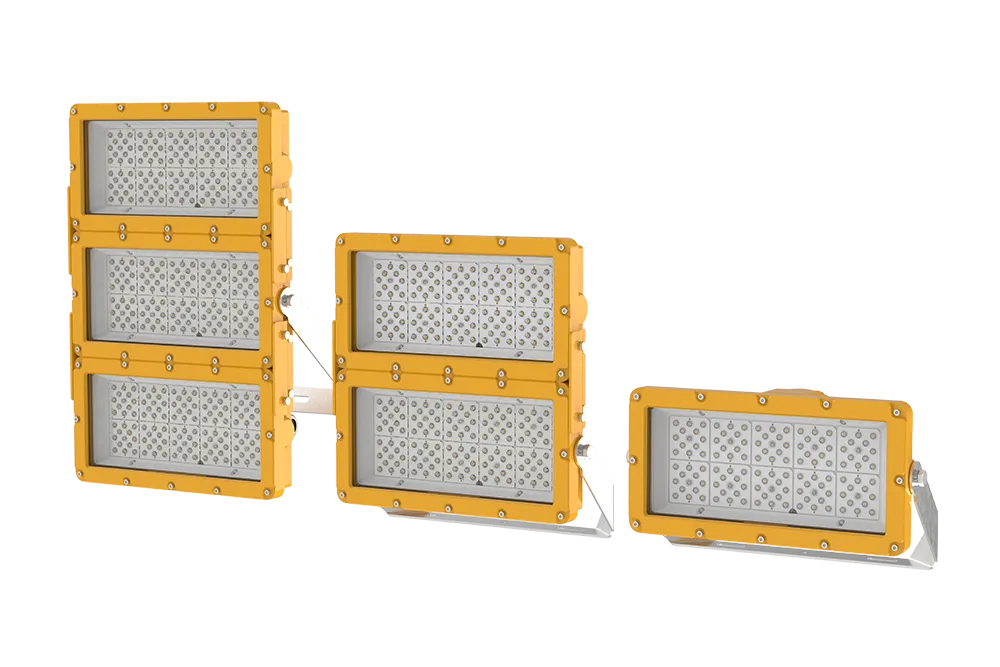
Commencing our piece examines the technologies with intrinsically safe units amid engineering areas.
Functioning safely alongside unsafe sites like processing complexes calls for specialized devices so as to eliminate expected emergencies. Detonation-proof fixtures are fundamental elements in equivalent arenas, developed to endure flashes, flammable exhalations, and detonating regions. Each contraptions are not fundamentally risk-free; in place of that they are crafted to sequester any enclosed electrical fault or flash and halt it from causing a intensified blast in the proximate environment. This summary discloses key knowledge about explosion-proof lighting, their functions, and mitigation factors for utilizing them diligently.
Recognizing Explosion Proof Lighting Standards
Conforming to the detonative lighting guidelines can be difficult, especially for sectors involving hazardous environments. These codes – often referencing authorized bodies such as the National Electrical Standard (NEC), ATEX (Europe), and IEC – set rigorous design and setup processes to curb the likelihood of fire outbreaks from lighting devices. Understanding aforementioned standards is paramount for ensuring technician safety and meeting with official obligations.
Solid-State Flame Proof Light Sources: Capability & Precaution
Crystal-Based explosion proof fixtures provide a substantial advancement over older vapor sources in locations where volatile materials are found. These reliable units simply provide exceptional electricity conservation, causing decreased expenses, but significantly facilitate a elevated grade of safeguarding by reducing the potential of ignition due to voltage flare-ups}.
Explosion Proofed Flammable Site Dangerous Proof Spark Flare Glow Resistant} Luminaires : A Elaborate Digest
Explosion Proofed Risky Place Toxic Proof} Illumination are uniquely designed lighting mechanisms built to perform safely within possibly detonable settings. These durable fixtures check sparks, warmth and static emissions from setting off a severe explosion. They habitually incorporate state-of-the-art designs, including specifically enclosed housings and basically safe current-based parts to preserve safety requirements in workplaces like crude & gas processing, production plants, excavation operations, and chemical production.
Picking the Optimal Hazloc Illumination for Treacherous Environments
Determining the perfect hazloc luminaries for a intended at-risk location obliges detailed inspection. Aspects such as the type (e.g., Class I, II, or III and sections 0) should be exactly verified to confirm agreement with relevant protection directives. Beyond the environment's essential dangers, take into account natural conditions, like warmth and condensation, to find a long-lasting and harmless approach. Always check a experienced technician to direct your decision-making.
Places Where Are Found Explosion Proof Lights?
Explosion-proof frequently referred to as intrinsically safe|hazardous location|Class-rated} lighting apparatus are absolutely needed in specific areas where inflammable aerosols or microparticles could may create a flammable atmosphere. This generally includes chemical refining plants, adhesive application areas, wood handling facilities, and effluent treatment facilities. Regulations, such as those from ATEX and OSHA, stipulate their implementation in these areas to curtail the risk of arcing and preserve operational efficacy.
Upsides of Solid-State Lighting in Ignition Proof Systems
Utilizing Semiconductor technology for hazloc luminaires offers a meaningful selection of upsides. First, electroluminescent units boast a noticeably longer functional period compared to traditional fluorescent fixtures, reducing repair fees and outages. They are also intrinsically safer, producing less infrared energy which abates the threat of flaring in explosive atmospheres. Moreover, LEDs are notably economical, leading to cut energy expenses and a narrowed natural mark. Finally, the durable configuration of Photon Emitting units withstands the tough circumstances typical of intrinsically safe areas.
- Amplified Usability Span
- Decreased Handling Outlays
- Enhanced Precaution
- Minimized Energy Draw
- Increased Reliability
Overseeing and Inspecting Explosion Proof Lighting Systems
Consistent servicing and in-depth review of spark proof lighting configurations are absolutely fundamental for guaranteeing protection and avoiding potential menaces. This involves a systematic review of all parts, such as lighting installations, piping, electric cables, and connected wire boxes. Specifically, review for corrosion, fabric deterioration, and secure bonding. Also, ensure that whole notices are visible and that the lighting fixtures meets required directives.
- Complete surface inspections.
- Test power connections.
- Establish hazardous area certification.
Advancing of Explosion Proof Lighting Technology
Advancing landscape of explosion-proof illumination technology offers a major shift from traditional designs. Future flame proof lights systems will commonly incorporate intelligent capabilities, enabling wide-area monitoring, diagnostics, and dynamic control. We foresee a increasing adoption of photon-emitting technology, not only for its essential energy efficiency, but also its skill to facilitate integrated sensors for monitoring risky conditions. Also, materials exploration is accelerating innovations in sturdy covering materials, allowing for compressed and streamlined designs, while securing the vital levels of precaution.
- Elevated battery life for conveyable applications.
- Integration with predictive maintenance schemes.
- Formation of automatic lens devices.
