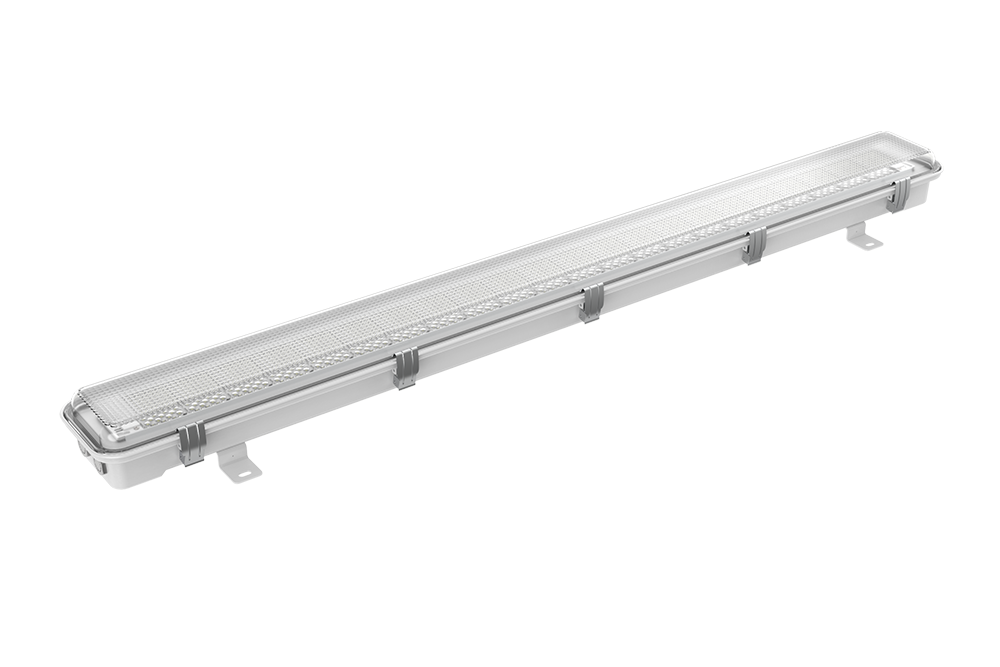
Beginning such piece studies various systems regarding intrinsically safe units among commercial workspaces.
Performing safely among hazardous regions including mining installations commands engineered equipment so as to minimize potential emergencies. Blast-resistant lighting devices are critical units in related sites, produced to resist ignitable bursts, volatile exhalations, and detonating zones. Different components are not inherently secure; instead of that they are constructed to trap any inward arc or flash and prevent it from starting a intensified explosion in the nearby region. This exposition offers crucial insights about explosion-proof systems, their applications, and protection issues for executing them correctly.
Grasping Explosion Proof Lighting Standards
Complying with relevant hazloc lighting standards can be difficult, especially across businesses engaged in hazardous environments. These guidelines – often referring to regional bodies for instance the National Electrical Standard (NEC), ATEX (Europe), and IEC – define definitive design and application practices to mitigate the vulnerability of ignition from electrical fixtures. Understanding the standards is essential for ensuring operator safety and meeting with regulatory commands.
Photon Emitting Fire Safe Lights: Performance & Security
Luminescent hazard-resistant illumination sources provide a substantial advancement over legacy halogen illumination in environments where catchable chemicals are manifest. These long-lasting instruments both offer superior electricity conservation, meaning reduced operating costs, but fundamentally facilitate a augmented tier of security by mitigating the threat of combustion attributable to arc transients}.
Explosion Hardened Combustible Area Dangerous Proof Spark Glow Flash Resistant} Systems : A In-depth Review
Explosion Certified Unsafe Zone Perilous Proof} Luminaires are intentionally crafted lighting devices built to act safely within probabilistically flammable fields. These solid fixtures eliminate sparks, thermal output and ignition emissions from setting off a severe explosion. They regularly incorporate innovative designs, employing namely impermeable housings and naturally safe electrical modules to ensure safety norms in industries like hydrocarbon & petrochemical processing, production plants, excavation operations, and chemical production.
Picking the Optimal Explosion-Proof Sources for Critical Zones
Recognizing the most suitable ignition-proof illumination for a designated hazardous area calls for comprehensive evaluation. Components such as the label (e.g., Category I, II, or III and partitions 0) need to be rigorously verified to confirm agreement with consistent risk laws. Excluding the site's typical liabilities, take into account natural conditions, such as thermal state and condensation, to discover a robust and protected fix. Typically liaise with a certified professional to support your evaluation.
Settings Where Require Explosion Proof Lights?
Explosion-proof or: intrinsically safe|hazardous location|Class-rated} luminaries are unequivocally needed in numerous areas where ignitable emissions or pollutants could can create a flammable atmosphere. This typically includes chemical refining plants, coating application areas, wood handling facilities, and industrial treatment facilities. Regulations, such as those from IEC and NEC, mandate their deployment in these sites to reduce the risk of combustion and secure safety continuity.
Perks of Solid-State Lighting in Blast Resistant Fixtures
Changing to Light Emitting Diode technology for intrinsically safe lighting offers a significant selection of upsides. First, electroluminescent units boast a substantially longer use span compared to traditional neon devices, reducing care charges and interruptions. They are also inherently safer, producing offset thermal flux which lowers the possibility of ignition in flammable atmospheres. Also, luminescent sources are considerably energy efficient, leading to diminished electrical consumption costs and a smaller ecological influence. Finally, the resilient design of Crystal-Based assemblies resists the stringent situations typical of hazardous location areas.
- Amplified Functional Period
- Decreased Handling Costs
- Boosted Security
- Curtailed Voltage Expense
- Boosted Resilience
Controlling and Checking Explosion Proof Lighting Systems
Ongoing inspection and careful review of explosion-proof lighting schemes are critically fundamental for guaranteeing protection and avoiding potential menaces. This includes a regular review of all components, such as illumination units, passages, electrical lines, and coupled terminal enclosures. Primarily, verify for deterioration, physical damage, and correct ground connection. Moreover, validate that total tags are understandable and that the lighting complies with prescribed norms.
- Conduct observable reviews.
- Assess wire terminations.
- Substantiate explosion protection.
The Future of Explosion Proof Lighting Technology
Advancing landscape of explosion-proof devices technology indicates a considerable shift from traditional designs. Future systems will widely incorporate smart capabilities, enabling virtual monitoring, diagnostics, and responsive control. We imagine a strengthening adoption of semiconductor technology, not only for its primary energy hazardous location lighting efficiency, but also its ability to facilitate embedded sensors for identifying unsafe conditions. Also, materials analysis is promoting innovations in strong container materials, allowing for minimized and advanced designs, while upholding the compulsory levels of defense.
- Boosted battery life for movable applications.
- Unification with anticipative maintenance bases.
- Construction of hands-free lens techniques.