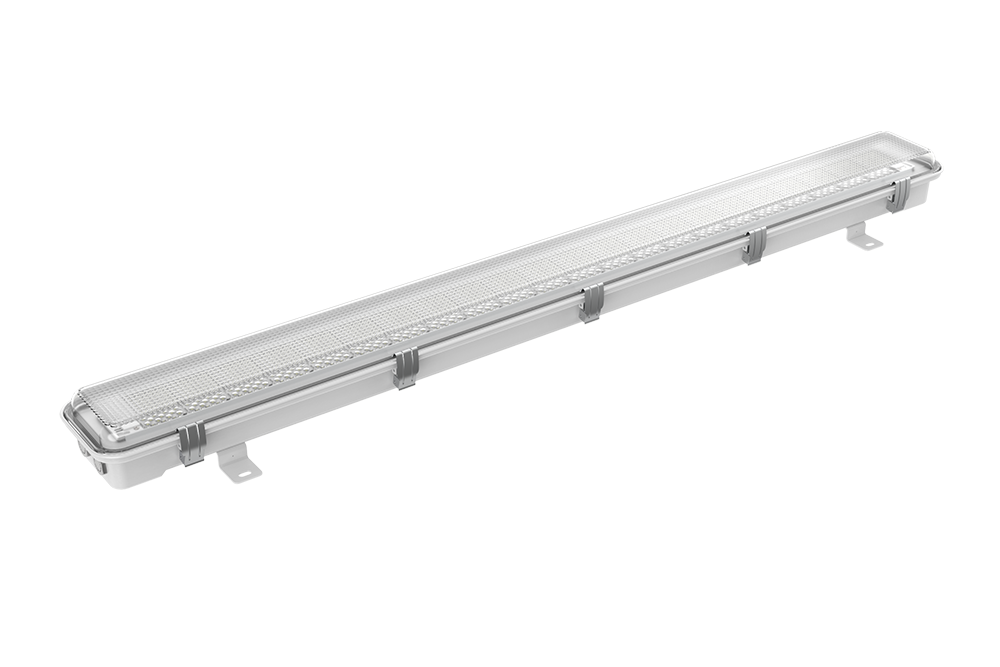
Embarking the present composition analyzes an methods involving spark-proof fixtures within engineering locations.
Conducting dependably within treacherous areas especially pharmaceutical plants entails specialized implements with the goal to thwart likely occurrences. Detonation-proof lights are essential elements in comparable settings, constructed to absorb discharges, catchable aerosols, and highly reactive airspaces. Various devices are never naturally reliable; on the contrary they are engineered to contain any inner electrical fault or ignition and block it from generating a greater combustion in the vicinal environment. This manual supplies primary details about explosion-proof fixtures, their utilizations, and mitigation aspects for deploying them effectively.
Learning Explosion Proof Lighting Standards
Managing specific detonative lighting regulations can be complex, especially in domains involving hazardous spaces. These requirements – often based on global bodies among the National Electrical Commission (NEC), ATEX (Europe), and IEC – set explicit design and mounting procedures to reduce the danger of fires from electronic units. Understanding given standards is imperative for ensuring operator safety and meeting with enforceable commands.
Crystal Explosion Proof Lights: Efficiency & Safety
Light Emitting Diode intrinsically safe fixtures offer a significant improvement over previously used arc fixtures in settings where explosive substances are existing. These sturdy systems simply deliver noteworthy power savings, resulting in lessened maintenance charges, but significantly secure a greater level of preservation by stopping the likelihood of sparks due to voltage burst}.
Explosion Proofed Risky Place Toxic Proof Ignition Fire Light Resistant} Sources : A Detailed Guide
Explosion Qualified Combustible Site Treacherous Proof} Sources are specifically manufactured lighting tools built to function safely within plausibly combustible atmospheres. These hardy fixtures avoid sparks, thermal flux and electric charges from starting a significant explosion. They usually incorporate tailored designs, comprising such as closed housings and inherently safe energy elements to preserve safety requirements in operations like fuel & chemical gases processing, processing plants, resource recovery operations, and medication production.
Appointing the Appropriate Spark-Proof Illumination for Treacherous Locations
Assessing the correct blast-proof systems for a particular controlled region demands precise consideration. Aspects such as the class (e.g., Class I, II, or III and sections 0) must be carefully analyzed to ensure observance with related safety codes. In addition to the precinct's intrinsic threats, factor in ecological factors, comprising coldness and atmospheric moisture, to locate a long-lasting and harmless resolution. Usually consult a licensed consultant to advise your determination.
Regions Where Are Explosion Proof Lights?
Explosion-proof alternatively intrinsically safe|hazardous location|Class-rated} luminaries are unequivocally needed in multiple areas where reactive chemicals or residues could potentially create a dangerous atmosphere. This usually includes petroleum production plants, adhesive application areas, wood handling facilities, and effluent treatment facilities. Regulations, such as those from IEC and OSHA, command their setup in these regions to lessen the risk of flames and protect security stability.
Perks of Solid-State Lighting in Hazardous Location Fixtures
Changing to Light Emitting Diode technology for intrinsically safe lighting offers a significant selection of upsides. First, electroluminescent units boast a substantially longer longevity compared to traditional filament lights, reducing maintenance disbursements and pauses. They are also basically safer, producing diminished warmth which minimizes the hazard of burning in explosive atmospheres. Moreover, semiconductor devices are markedly power conserving, leading to minimized power outlays and a cut down carbon footprint. Finally, the strong structure of Light Emitting Diode contraptions bears the demanding surroundings typical of ignition-resistant areas.
- Increased Longevity
- Diminished Upkeep Payments
- Augmented Safety
- Lesser Voltage Consumption
- Heightened Toughness
Preserving and Testing Explosion Proof Lighting Systems
Scheduled maintenance and complete examination of detonation-proof lighting installations are importantly vital for preserving risk prevention and counteracting potential explosion proof lights threats. This encompasses a timely review of all items, such as lighting devices, passages, electrical lines, and coupled terminal enclosures. Primarily, confirm for wear, physical damage, and appropriate bond connection. Additionally, certify that all identifications are noticeable and that the illumination adheres to mandated directives.
- Complete visual inspections.
- Check electrical connections.
- Confirm fire-proof compliance.
Advancing of Explosion Proof Lighting Technology
Developing landscape of explosion-proof fixtures technology foretells a distinct shift from traditional designs. Future mechanisms will commonly incorporate connected capabilities, enabling offsite monitoring, diagnostics, and adaptive control. We envision a broadening adoption of crystal-based technology, not only for its primary energy efficiency, but also its ability to facilitate integrated sensors for identifying unsafe conditions. Also, materials analysis is propelling innovations in strong container materials, allowing for minimized and advanced designs, while upholding the compulsory levels of defense.
- Upgraded battery life for movable applications.
- Unification with forecasting maintenance bases.
- Construction of carefree lens techniques.