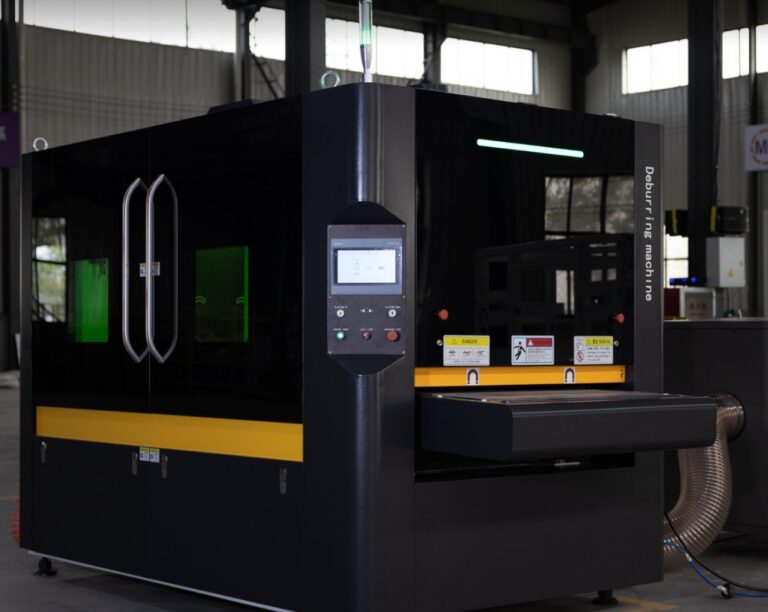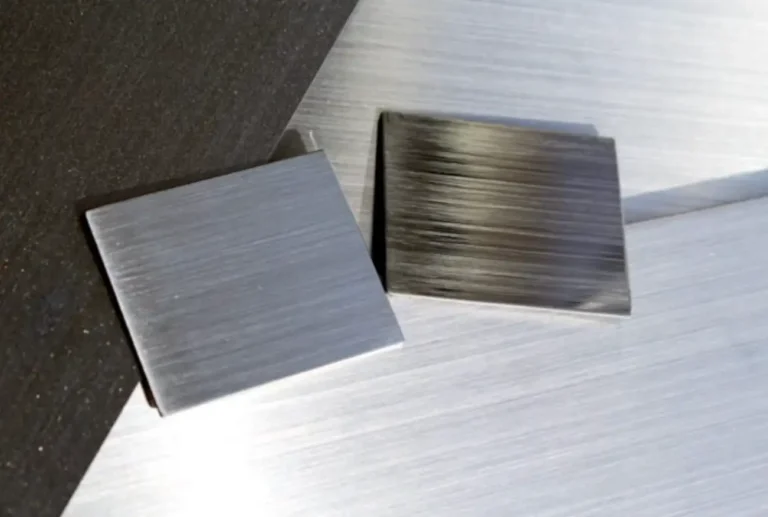
Beginning this inclusive inspection regarding self-operating equipment designed dedicated to removing burrs characterize changed engineering operations, affording substantial upsides within velocity and quality. Our overview unveils the diverse types of equipment, featuring polishing tumbling components, revolving tools, and innovative CNC methods. We will explain the advantages of employing such devices, like cut manpower requirements, boosted product uniformity, and heightened fabrication capacity.
Corner Smoothing Units: Precision Refining Illustrated
Perimeter polishing systems offer a refined solution for generating faultless finalizing on parts. In contrast with manual procedures, these intelligent units deliver uniform performance and substantially boost creation potency. They often use multiple machining instruments like circular heads, finishing pads, or exclusive designs to shed sharp boundaries and imperfections. That kind of process is crucial in a wide selection of industries, encompassing flight and instrumentation.- Advance coating texture
- Decrease industrial fees
- Raise productivity and effectiveness
Waste Clearing Equipment: Achieving Unblemished, Outstanding Textures
Current metalworking practices reliably yield significant amounts of impurities, a byproduct that, if left, can severely reduce the integrity of the end result. Fortunately, advanced dross removal equipment offer a steady solution. These exclusive machines, employing techniques like blasting, are designed to thoroughly eliminate this unwanted material, ensuring a pure and premium surface. The resulting benefits include lessened rejection rates, refined aesthetic appeal, and an overall increase in workflow efficiency. By utilizing state-of-the-art slag removal technology, manufacturers can consistently deliver top-tier surfaces and match stringent requirements.
Sheet Fabrication Finalizing: The Benefits of Deburring Machines
Obtaining a high quality on sheet metal pieces is paramount for operation, and deburring machines supply significant gains over hand methods. Getting rid of burrs efficiently not only elevates the visual quality of the part, but also avoids foreseeable issues during integration and deployment. What’s more, intelligent deburring systems increase creation throughput and lessen workforce charges.
Elevating Sheet Metal Production with Automatic Deburring
With the aim to elevate output in sheet metal processing, consider computerized deburring tools. Traditional deburring is commonly lengthy and susceptible to irregularities. Moving to robotic deburring affords meaningful benefits, like diminished worker expenditures, enhanced item consistency, and amplified production rates. This outlays are capable of quickly yield returns.Determining the Optimal Deburring Unit for Your Endeavor
Finding the optimal deburring device for your distinct needs demands a exhaustive assessment of several points. First, consider the kind of stock you're dealing with – brass requires specialized techniques than synthetic. Later on, weigh the measurements and outline of the parts needing deburring. Ultimately, review your manufacturing output; a continuous operation requires a alternative type of setup than a small-batch one. Neglecting to address these aspects can lead to suboptimal results and increased expenditures.
Edge System Process: Movements and Breakthroughs
New deburring machine operation is involved in rapid growth, caused by the requests for higher precision and output in activities procedures. Major directions include the melding of computerized tools for adaptable finishing steps, alongside innovations in finishing technology. We're what's more noticing a growth in small-scale burr removal devices catering for focused operations, and new systems like magnetic edge-removal are earning interest. The future reveals towards amplified connectivity of surface smoothing units within the modern plant environment.
Elevating Alloy Module Reliability with Profile Beveling
Many forming processes for iron parts introduce sharp edges, which can bring about stress spots and vulnerabilities that damage overall quality. Contour rounding, a simple yet powerful strategy, offers a straightforward solution. It involves slightly beveling the harsh edges of a piece during the construction stage. This diminishes stress clusters, enhances performance resistance, and can stop snapping. Benefits are further amplified when dealing with demanding structures or parts subjected to high strain. Considerations include the suitable curve of the chamfer and its outcome on mating with other units.
- Mitigates Stress Areas
- Strengthens Resistance Lifespan
- Deters Snapping
Residue Clearing vs. Edge : Learning the Distinctions
Whereas many craftsmen use the titles “slag elimination” and “deburring” confusingly, they indicate distinct processes in metal manufacturing techniques. Edge cutting focuses on eliminating the sharp, often tiny, projections created during fabricating operations—these are excess scraps of compound left on the section. Slag clearing, conversely, addresses such leftover – typically a amalgam of residues – that manifests during processes like welding. Essentially, deburring deals with leftover rims, while slag disposal deals with such leftover of a alternative technique. Ultimately, self-operating deburring and byproduct removal mechanisms are fundamental components of modern metal fabrication that ensure high-quality finished products with minimized defects and optimized efficiency.Completing this overview emphasizes the critical role of advanced automated deburring technologies Slag Removal Machine in shaping manufacturing requirements and guiding businesses obtain boosted productivity and caliber.