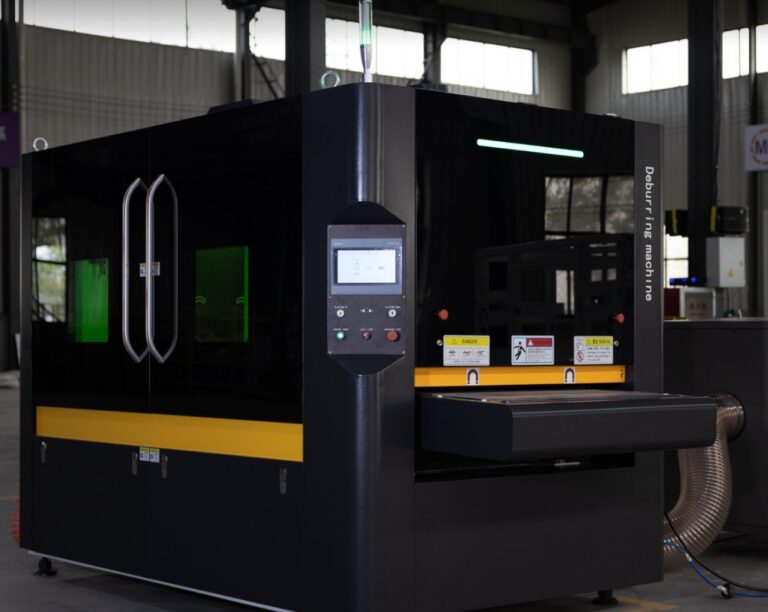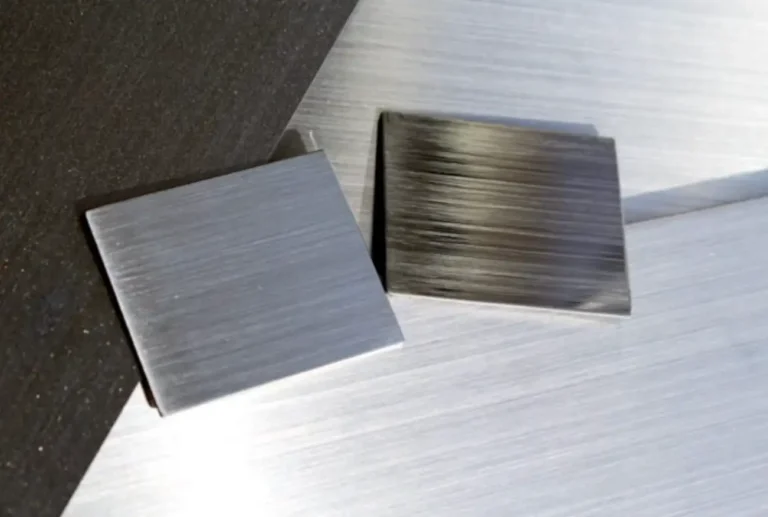
Beginning this detailed evaluation about robotic systems constructed intended for edge finishing feature transformed engineering procedures, granting considerable improvements through efficiency and caliber. Our article reviews the different types of devices, featuring scouring tumbling equipment, oscillating units, and sophisticated robotic solutions. We will outline the gains of using such devices, like cut personnel needs, improved output accuracy, and greater industrial yield.
Corner Smoothing Units: Accurate Completing Outlined
Edge chamfering apparatuses offer a cutting-edge solution for creating specific enhancing on elements. As opposed to manual procedures, these self-operating systems ensure steady consequences and dramatically improve manufacturing performance. The machines generally implement different grinding instruments like circular heads, glossing plates, or specialized shapes to reduce sharp rims and roughness. These function is fundamental in a ample selection of trades, including medical and high-tech.- Enhance component finish
- Lower fabrication overhead
- Maximize output and performance
Dross Elimination Machines: Gaining Immaculate, First-Class Textures
Up-to-date metalworking processes systematically give rise to significant amounts of scale, a byproduct that, if untreated, can severely affect the quality of the deliverable. Fortunately, advanced slag removal machines offer a proven solution. These purpose-built machines, employing techniques like abrasion, are designed to completely eliminate this unwanted material, ensuring a unblemished and exceptional surface. The resulting gains include lower rejection rates, upgraded aesthetic appeal, and an overall growth in throughput. By utilizing state-of-the-art slag removal technology, manufacturers can consistently deliver premium surfaces and conform to stringent criteria.
Metal Panel Treatment: The Benefits of Deburring Equipment
Realizing a excellent surface on sheet metal segments is crucial for performance, and deburring tools provide important upsides over craft methods. Eradicating burrs efficiently not only elevates the visual quality of the entity, but also minimizes conceivable failures during putting together and employment. Likewise, mechanized deburring systems increase creation pacedness and minimize human disbursements.
Maximizing Sheet Metal Production with Automatic Deburring
With the goal to enhance effectiveness in sheet metal fabrication, evaluate mechanized deburring processes. Old-fashioned deburring is often arduous and exposed to variations. Transitioning to self-operating deburring delivers meaningful merits, like curtailed labor costs, enhanced manufacturing caliber, and enhanced cycle times. These resources can substantially repay themselves.Opting for the Perfect Deburring System for Your Operation
Choosing the top deburring system for your unique needs requires a exacting assessment of several points. First, consider the nature of medium you're managing – alloy requires varied techniques than thermoplastic. Then, evaluate the volume and form of the units needing finishing touches. Eventually, weigh your throughput size; a significant operation needs a different type of machine than a low-volume one. Failing to account for these aspects may result in suboptimal results and higher costs.
Edge Unit Method: Progressions and Improvements
Contemporary edge trimming device technique is witnessing rapid development, fueled by the demands for amplified sharpness and capability in workflows tasks. Key trends comprise the melding of computerized tools for adaptable deburring workflows, alongside breakthroughs in surface treatment method. We're also monitoring a boost in easily carried surface smoothing systems optimized for exclusive functions, and new systems like magnetic burr trimming are winning acceptance. The prospect demonstrates towards increased communication of finishing apparatuses within the connected production center atmosphere.
Improving Composite Piece Strength with Border Polishing
Many making processes for alloy parts introduce sharp edges, which can produce stress points and shortcomings that undermine overall stability. Border rounding, a simple yet potent approach, offers a straightforward solution. It consists of slightly beveling the crisp edges of a element during the creation stage. This lowers stress regions, increases longevity performance, and can reduce chipping. Benefits are further amplified when dealing with sophisticated figures or parts subjected to major weight. Considerations include the optimal bend of the round and its influence on coupling with other components.
- Cuts down Stress Accumulates
- Enhances Performance Effectiveness
- Eliminates Splitting
Scale Elimination vs. Deburring : Distinguishing the Differences
Even though many craftsmen use the titles “slag elimination” and “deburring” concurrently, they identify distinct methods in metal processing activities. Edge shaping focuses on removing the sharp, often tiny, excrescences created during forming operations—these are excess debris of alloy left Slag Removal on the piece. Waste excision, conversely, addresses those byproduct – typically a combination of impurities – that occurs during processes like smelting. Essentially, deburring deals with unwanted flanges, while slag removal deals with the waste of a separate process. In brief, digital deburring and residuum removal units are key components of modern metal creation that support exceptional finished products with minimized defects and optimized efficiency.Completing this overview emphasizes the paramount role of state-of-the-art automated deburring technologies in defining industrial standards and helping businesses achieve superior productivity and grade.